
Roof maintenance is a crucial aspect of homeownership that ensures your property remains safe, structurally sound, and energy-efficient. Knowing when to call in professional roofers for repairs or replacement can save you time, money, and stress. Below is a detailed guide on when to seek professional help and what you can expect during the process.
Signs It’s Time to Call a Roofing Expert
- Visible Damage: Missing, cracked, or curling shingles often indicate weather-related wear and tear.
- Leaks or Water Stains: Water intrusion can lead to mold growth, rotting wood, and structural instability.
- Sagging Roofline: A sagging roof could point to severe structural damage requiring immediate attention.
- Age of the Roof: Most roofs last between 20–30 years. If your roof is nearing this age range, consider an inspection.
- Higher Energy Bills: A poorly insulated or damaged roof might cause spikes in heating and cooling costs.
Benefits of Hiring Professional Roofers
- Accurate Problem Identification
Professionals conduct a comprehensive inspection to identify underlying issues that may not be visible from the ground. - Access to Quality Materials
Roofing contractors have access to high-quality materials that last longer than standard store-bought options. - Proper Equipment and Safety Measures
Climbing onto a roof comes with risks. Professionals have both the tools and training necessary for safe repairs or replacements. - Warranty Coverage
Most reputable roofing companies offer warranties on labor and materials for added peace of mind.
What Happens During the Process?
| Step | Description |
| Initial Consultation | The contractor will assess your roof’s current condition through an on-site inspection or photos. |
| Proposal & Estimate | A detailed quote will outline costs, timelines, materials needed, and scope of work involved. |
| Scheduling Work | Once approved, the project will be scheduled at a suitable time based on weather conditions. |
| Project Execution | The team will repair damaged sections or replace your entire roof following local regulations. |
| Final Inspection | After completion, they’ll inspect their work before handing over responsibility back to you. |
How Often Should You Schedule Roof Inspections?
To catch potential issues early: – Conduct visual inspections twice annually (spring and fall). – Schedule professional inspections every 1–3 years or after significant storms if damage is suspected.
Questions to Ask Your Roofer
Before hiring a roofer: – Are they licensed and insured? – What types of warranties do they provide? – Can they offer references from previous jobs? – Will they handle permits if required?
By recognizing when it’s time for expert intervention and knowing what steps are involved in the process, homeowners can confidently address roofing concerns while protecting their investment long-term.
Expert Roofing Services Minneapolis MN for Shingle Damage
Shingles are the first line of defense against the elements. Damaged or missing shingles can leave your roof vulnerable to leaks and other problems. Look out for: – Cracked, curled, or buckling shingles: These indicate aging or damage caused by harsh weather. – Missing shingles: Sections where shingles have blown off need immediate attention. – Granule loss: If you notice granules in your gutters or downspouts, this could signal that your shingles are deteriorating.
Water Stains or Discoloration
Water stains on ceilings or walls inside your home may point to leaks in your roof. These stains often appear as discolored patches and should not be ignored. Key areas to monitor include: – Ceilings in upstairs rooms. – Corners where walls meet ceilings. – Around attic spaces.
Sagging Roof Deck
A sagging roof deck is a serious issue that often indicates structural concerns caused by moisture damage, inadequate support, or an aging roof system. This should be addressed promptly by professionals to prevent further complications.
Mold, Mildew, and Algae Growth
Excess moisture on roofs can lead to mold and algae growth. Be on the lookout for: – Dark streaks running down your roof (a sign of algae). – Moss buildup around shaded roof sections. – Mildew smells inside your home indicating possible water intrusion.
Flashing Issues Around Chimneys and Skylights
Flashing seals critical areas like chimneys, skylights, and vents from water intrusion. Signs of flashing failure include: – Cracked sealants around flashing areas. – Rusting or corroded flashing materials. – Gaps between flashing and roofing materials.
| Common Problem | Potential Cause | Action Needed |
| Missing Shingles | Wind or storm damage | Replace damaged sections |
| Water Stains | Leaks due to poor sealing | Inspect and patch leak points |
| Sagging Deck | Moisture weakening structure | Reinforce/waterproof |
Increased Energy Bills
A sudden increase in energy costs could indicate poor insulation due to roofing problems. If heat is escaping through gaps in the roof during winter months (or cool air during summer), this inefficiency needs urgent attention.
Debris in Gutters
Check your gutters regularly for debris such as shingle granules or pieces of roofing material. This could mean your roof is deteriorating faster than expected.
Addressing these issues early ensures not only peace of mind but also extends the overall lifespan of your roof. Regular inspections—especially after severe weather—play a vital role in preventing long-term damage and costly repairs.
Addressing Structural Concerns: How a Minneapolis MN Roofer Can Fix Sagging or Drooping Roofs
A sagging or drooping roof is a significant issue that requires immediate attention to prevent further damage to your home. Whether caused by structural weaknesses, water damage, or poor construction practices, identifying and addressing the problem early can save you from costly repairs or even complete roof replacement. Here’s what homeowners need to know about sagging roofs, including potential causes, warning signs, and solutions.
Common Causes of Sagging Roofs
- Excessive Weight on the Roof: Snow, ice, or improperly installed roofing materials can create an overload situation on the structure.
- Water Damage: Prolonged exposure to moisture from leaks or clogged gutters can weaken wood supports and deteriorate materials over time.
- Aging Roofing Materials: Over time, shingles, underlayment, and other materials degrade and may no longer provide adequate support.
- Foundation Issues: A shifting or settling foundation might lead to uneven pressure on the roof’s structure.
- Poor Construction Practices: Incorrect spacing of rafters or subpar materials used during installation can lead to insufficient support for the roofing system.
It’s essential to identify the root cause of a sagging roof before taking corrective measures.
Warning Signs of Structural Concerns
- Visible Sagging Areas: If certain parts of your roof appear lower than others when viewed from outside.
- Interior Ceiling Cracks: Cracks in ceiling drywall may suggest excessive pressure on your home’s framework.
- Leaking Roofs During Rainstorms: Water penetration in areas near drooping sections could hint at underlying issues with drainage or waterproofing.
- Popping Noises in Attic Spaces: Shifting or stressed roofing components often result in unusual creaks and pops above ceilings.
Regularly inspecting both external and internal areas of your home will help detect these issues early.
Why Immediate Action Is Necessary
- Compromised structural integrity leading to partial collapse.
- Greater susceptibility to water infiltration resulting in mold growth.
- Higher repair costs as damaged areas expand over time.
Acting promptly minimizes both safety hazards and financial burdens associated with advanced structural deterioration.
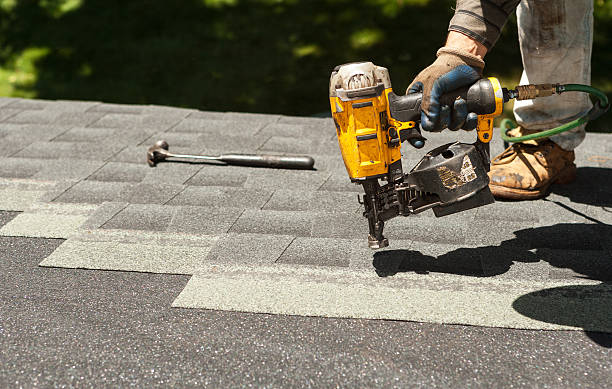
Repair Options for Sagging Roofs
| Issue | Potential Solution |
| Weak roofing materials | Reinforce affected areas with stronger supports |
| Excessive snow/ice buildup | Clear debris regularly; Install snow guards |
| Water-damaged wood | Replace compromised joists & rafters |
| Foundation-related concerns | Consult a foundation expert for stabilization |
In most cases involving severe damage caused by aging systems beyond repairable thresholds replacing entire sections proves economical long-term alternative rather than patchwork fixes over time unnecessarily draining finances whilst short-lived effectiveness persists instead lasting durability longevity achievable through replacement efforts aligned functional precision standards vetted professionals guarantee satisfactory compliance building codes practices industry-leading benchmarks tailored homeowners’ peace-of-mind satisfaction reassurance safety paramount priority homes restoration safeguarding assets investments pivotal considerations addressing adequately responsibly proactively comfortably efficiently
Understanding Structural Concerns Like Sagging or Drooping Roofs That Need Immediate Attention
Structural issues, such as sagging or drooping roofs, can pose significant risks to your home if left unaddressed. These problems not only jeopardize the safety and integrity of your property but can also lead to more costly repairs over time. Recognizing the warning signs early and understanding the underlying causes can help you take timely action.
Common Causes of Sagging or Drooping Roofs
- Aging Roof Materials: Over time, roofing materials like shingles, wood, or asphalt can deteriorate, weakening their ability to evenly distribute weight.
- Excessive Weight Load: Heavy snow accumulation, pooling water from clogged gutters, or even improperly installed roof overlays can add excessive strain on the structure.
- Poor Installation Practices: Subpar construction techniques or inadequate support systems may lead to structural instability over time.
- Water Damage and Rot: Prolonged exposure to moisture weakens wooden components like rafters and decking, causing them to sag under pressure.
- Foundation Shifts: Movement in your home’s foundation could result in uneven stress on your roof’s framework.
Understanding these causes is a critical step toward preventing further damage and ensuring long-term stability for your home.
Signs Your Roof May Have Structural Concerns
- Noticeable dips or depressions in sections of the roofline
- Interior ceilings showing bowed areas
- Cracks forming along walls near ceiling joints
- Difficulty opening or closing windows and doors due to shifting frames
- Persistent leaks despite repair efforts
- Visible gaps between roofing layers
If any of these signs are present, it is crucial to act quickly by consulting a professional roofer.
Why Prompt Attention Is Necessary
| Risk | Potential Outcome |
| Safety Hazards | Increased risk of collapse under stress |
| Water Intrusion | Greater vulnerability to leaks during rainstorms |
| Higher Costs Later | Delayed action often leads to more extensive (and expensive) repairs |
| Reduced Home Value | A visibly sagging roof can deter potential buyers |
Addressing these issues promptly helps mitigate risks while protecting both the structural integrity and resale value of your home.
What Professionals Will Do
- A detailed evaluation of affected areas.
- Inspection of both interior attic spaces and exterior surfaces.
- Determining whether damage stems from water intrusion, aging materials, or external factors.
- Replacing damaged rafters or beams.
- Adding additional supports if necessary.
- Providing detailed quotes based on scope-of-work required.
How Aging Roofs Can Impact Your Home and When It’s Time for a Replacement
As roofs age, they undergo wear and tear that can significantly affect your home’s safety, energy efficiency, and appearance. Recognizing the signs of an aging roof is essential for homeowners to determine whether repairs or a full replacement are necessary. Below, we’ll explore how aging roofs can impact your property and provide guidance on when it’s time to act.
Decreased Energy Efficiency
Over time, roofing materials lose their ability to insulate your home properly. This can lead to:
– Higher energy bills: Aging roofs often have deteriorated shingles or underlayment that allow heat transfer, making heating and cooling systems work harder.
– Inconsistent indoor temperatures: Leaks or gaps in an old roof may cause drafts or hot spots in certain areas of the home.
– Loss of reflective properties: Roofs with reflective coatings may lose their ability to deflect sunlight, increasing attic temperatures during summer months.
Increased Risk of Structural Damage
An older roof is more vulnerable to damage from the elements, leading to costly structural issues if not addressed promptly:
– Water damage: Cracked or missing shingles allow water infiltration, which can rot wooden supports or drywall. Mold growth may also occur in damp spaces.
– Weakened support structures: Over time, the weight of accumulated moisture or debris on an aging roof can strain underlying beams and frameworks. – Sagging rooflines: A drooping appearance often signals significant structural deterioration that requires immediate attention.
Signs It May Be Time for a Replacement
- Shingle deterioration: Curling, cracking, or missing shingles are signs they’ve lost their protective capabilities.
- Granule loss: If you spot excessive granules in your gutters, this indicates asphalt shingles are nearing the end of their lifespan.
- Persistent leaks: Recurring leaks despite patching suggest deeper issues that temporary fixes won’t solve.
- Excessive age: Most roofing materials have an average lifespan:
- Asphalt shingles: 20–25 years
- Metal roofs: 40–70 years
- Clay tiles: 50+ years
- Rising maintenance costs: If repairs become frequent and expensive, replacing your roof may be a more cost-effective solution.
| Roofing Material | Average Lifespan (Years) | Key Maintenance Needs | Cost per Square Foot ($) |
| Asphalt Shingles | 20–25 | Regular inspection & cleaning | $3–$6 |
| Metal Roofing | 40–70 | Occasional repainting | $6–$12 |
| Clay Tiles | 50+ | Cleaning & sealing cracks | $10–$25 |
Benefits of Timely Roof Replacement
Replacing an aging roof offers numerous benefits beyond safety and efficiency: – Improved curb appeal: A new roof enhances the overall look of your home and increases its market value. – Energy savings: Modern roofing options often include energy-efficient features that reduce utility expenses. – Peace of mind: You’ll avoid unexpected repairs due to leaks or storm damage with a sturdy new installation.
By addressing signs of wear early and consulting with professional roofing contractors when necessary, homeowners can ensure their property remains safe and well-maintained while avoiding costly future issues.
- Minneapolis MN Roofer: Who to Call First for Roof Damage – Your Contractor or Insurance?
- Warning Signs You Should Call a Roofing Contractor Minneapolis MN Immediately
- When to Call a Roofing Contractor Minneapolis MN for Repairs or Replacement and What to Expect
- Comprehensive Storm Damage Roof Inspection by a Minneapolis MN Roofer
- Steps to Take for a Leaky Roof from a Trusted Roofing Contractor Minneapolis MN
- 6 Signs It’s Time to Call a Minneapolis MN Roofer for Repairs or Replacement
- Choosing a Roofing Contractor Minneapolis MN vs. DIY Roof Repair
- Essential Information About Roofing Services Minneapolis MN and Their Importance
- When is it Time to Call a Minneapolis MN Roofer for Your Home?