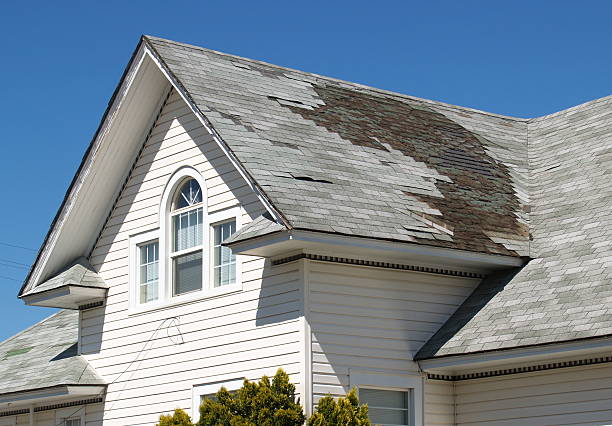
A roof is one of the most critical components of your home, protecting you and your belongings from the elements. However, over time, even the most well-maintained roofs can develop issues. Recognizing early warning signs and addressing them can save you significant time, money, and stress. Below are nine key signs that indicate it may be time to contact a professional roofer without delay.
Water stains on your ceiling or walls are often a clear sign of roof leaks. This could be caused by damaged shingles, cracked flashing, or other roofing problems allowing water penetration.
Shingles provide essential protection for your roof. If you notice missing, cracked, curling, or discolored shingles during an inspection, it’s time to have an expert assess the situation.
A sagging roof can indicate structural issues such as rotting wood or failing supports beneath the roofing materials. This is a serious problem that requires immediate professional attention to avoid further damage.
If you find shingle granules accumulating in your gutters after heavy rainstorms, it may mean that your shingles are deteriorating and nearing the end of their lifespan.
Mold or mildew growth along walls or ceilings can signal poor ventilation in your attic space caused by roofing problems like improper insulation or leaks.
If daylight is visible through gaps in your roof boards while standing in your attic, it’s a sign that there may be holes or structural damage requiring immediate repair.
Flashing is designed to provide a watertight seal around chimneys, vents, skylights, and other protrusions on your roofline. If flashing is cracked, bent, rusted, or missing altogether, this increases the risk of water infiltration.
Ice dams occur when heat escapes through your roof and melts snow unevenly. The refreezing water at the edges of your roof can cause water backup under shingles or into attic spaces.
An inefficient roofing system may contribute to higher heating and cooling costs due to compromised insulation or ventilation within your attic space.
Quick Checklist: When to Call for Roofing Services Minneapolis MN
- Do you see missing shingles?
- Are there visible signs of water leakage inside?
- Is mold growth present near ceilings?
- Are ice dams forming frequently during winter months?
- Do sections of flashing appear damaged?
These questions will help assess whether an expert’s opinion might prevent long-term damage from escalating further while maintaining both performance & safety standards effectively across household structures long term
Key Factors to Consider When Choosing a Minneapolis MN Roofing Company for Roof Repair or Replacement
When dealing with roofing issues, homeowners often face a crucial decision: repair or replace? Knowing when to opt for a simple fix versus a complete overhaul is essential for maintaining your roof’s integrity while managing costs effectively. Below are some key factors to consider when determining whether your roof needs repair or replacement.
Age of the Roof
The age of your roof is one of the most significant indicators of whether repairs will suffice or if a replacement is inevitable.
- Asphalt shingles: Typically last 20-30 years.
- Tile roofs: Often have a lifespan of 50+ years but are prone to individual tile damage that can usually be repaired without replacing the entire structure.
However, older roofs with recurring problems may warrant a full replacement.
Extent of Damage
- Localized issues: Problems like missing shingles, cracked flashing, or small leaks can typically be resolved with targeted repairs.
- Widespread problems: If you notice extensive water damage, sagging areas, or significant wear across large sections of the roof, replacement is often necessary.
- Structural concerns: A sagging roof deck or compromised rafters signal underlying structural issues that typically require replacing the entire system rather than patchwork fixes.
Frequency of Repairs
If you’ve already invested in multiple repairs within a short timeframe, it might be more economical to opt for a complete replacement. Continually addressing isolated issues can add up financially over time without resolving larger underlying problems effectively.
| Repair Frequency | Suggested Action |
| Minor fixes every few years | Continue with targeted repairs if under warranty |
| Major repairs every year | Consider full replacement for long-term cost savings |
Energy Efficiency Considerations
Older roofs tend to lack modern insulation and ventilation features that improve home energy efficiency. Replacing an aging roof with updated materials can provide better temperature regulation and reduce utility bills in the long run.
Questions To Assess Energy Efficiency:
- Does your attic feel excessively hot during summer?
- Are you noticing higher heating/cooling costs recently?
- Is there visible sunlight peeking through cracks in the roofing structure?
If you answered “yes” to any of these questions, upgrading through replacement could offer tangible benefits over time.
Costs Comparisons Between Repair and Replacement
| Type | Average Cost (Residential) | Durability |
| Roof Repairs | $150 – $1,500 (depending on issue) | Short-term solution |
| Roof Replacement | $5,000 – $12,000+ | Long-lasting investment (20+ years) |
While repair work addresses immediate concerns at lower upfront costs, replacements tend to provide better value for older or severely damaged roofs by eliminating recurring expenses.
Consult With Roofing Professionals
Ultimately, consulting with trusted roofing professionals ensures that you make an informed decision based on accurate assessments of your situation. A professional inspection will help clarify whether minor repairs are sufficient or if investing in a full replacement would better serve your long-term needs.
By weighing these factors carefully—roof age, damage severity, repair frequency, energy efficiency needs—you can confidently decide between repairing or replacing your existing roofing system without unnecessary surprises down the line.
How to Estimate Roof Replacement Costs Without Unwanted Surprises
Estimating roof replacement costs can feel overwhelming, but with a structured approach, you can get an accurate idea of the expenses involved while avoiding unexpected surprises. With careful planning and research, homeowners can create realistic budgets and avoid costly setbacks. Here’s how to estimate roof replacement costs effectively.
– Roof Size: Larger roofs require more materials and labor, which increases the overall cost.
– Material Type: Asphalt shingles, metal roofing, tile, and slate vary significantly in price.
| Material | Average Cost per Square Foot | |—————–|——————————| | Asphalt Shingles| $3 – $5 | | Metal Roofing | $5 – $12 | | Tile Roofing | $8 – $15 | | Slate Roofing | $10 – $20 | – Roof Pitch and Complexity: Steeper or more complex roofs typically require additional labor and specialized equipment.
– Old Roof Removal
– Location: Labor rates and material availability vary by region, affecting overall costs.
Hiring a professional roofer for an inspection is essential when estimating costs. They can identify hidden problems such as water damage or structural issues that could increase expenses during the replacement process.
Aside from standard labor and material costs, there are additional expenses homeowners should anticipate:
– Permits: Many areas require permits for roof replacements, costing anywhere from $100 to over $1,000 depending on local regulations.Upgrades: Consider potential upgrades like improved insulation or ventilation systems that may raise upfront costs but save money in the long run.Unexpected Repairs: During a replacement project, contractors might uncover issues such as rotting deck boards or damaged flashing that need immediate repair.
It’s recommended to obtain at least three quotes from different roofing contractors. This ensures you have a clear understanding of pricing trends in your area while also helping you find a contractor who aligns with your budget and expectations.
When reviewing quotes: – Look for detailed breakdowns of labor, materials, permits, disposal fees, etc. – Check warranties offered by each contractor on workmanship and materials.
Online roofing calculators are helpful tools for getting rough cost estimates based on roof size, material type, pitch level, and location specifics. While not as precise as an in-person inspection by professionals, they provide a good starting point for setting budget expectations.
By following these steps—understanding key factors influencing costs; accounting for additional expenses; consulting professionals; obtaining multiple quotes; and using online tools—you can effectively estimate your roof replacement budget while minimizing financial surprises during the process.

Top Reasons Why Missing or Damaged Flashing Can Lead to Bigger Roofing Issues
Flashing plays a crucial role in protecting your roof from water damage and ensuring its longevity. It acts as a barrier, sealing vulnerable areas of your roof such as chimneys, skylights, vents, and valleys. When flashing becomes damaged or goes missing, it can open the door to significant problems that may require expensive repairs. Below, we explore why missing or damaged flashing is a serious issue and how it can escalate if not addressed promptly.
What is Roof Flashing?
Roof flashing is typically made of durable materials like aluminum, copper, or galvanized steel. It is installed strategically around joints and edges where leaks are most likely to occur. Its primary purpose is to direct water off the roof and away from potential entry points into your home.
The Risks of Missing or Damaged Flashing
- Water Leaks:Exposed seams or joints without proper sealing allow water to seep into your home’s interior. This can result in stained ceilings, mold growth, and structural damage.
- Compromised Roof Decking:Persistent moisture exposure damages the wooden decking beneath shingles, causing rot that weakens the structural integrity of your roof.
- Increased Energy Costs:Gaps caused by faulty flashing can compromise your home’s insulation by allowing air leaks. This leads to higher heating and cooling expenses over time.
- Pest Infestations:Missing flashing creates entry points for pests such as rodents and insects that can nest inside walls or attics.
Warning Signs of Flashing Problems
- Visible rust or corrosion on metal flashings.
- Missing pieces of flashing around chimneys, vents, or skylights.
- Cracks in sealant near areas with existing flashing.
- Water stains on walls or ceilings inside your home.
- Sagging areas on the roof near joints where water may have pooled.
Why Immediate Action is Crucial
| Issue | Potential Consequence |
| Water penetration | Mold growth & interior damage |
| Rotting wood | Structural instability requiring major repairs |
| Long-term exposure | Decreased lifespan of roofing materials |
By addressing flashing problems early on, you prevent secondary damage while preserving the overall condition of your roof.
Preventative Measures for Flashing Issues
- Regular Inspections:Schedule periodic roofing inspections with a professional roofer who can identify early signs of wear and tear on flashings.
- Prompt Repairs:Fix any issues with damaged sealant or corroded metal as soon as they are identified.
- Invest in Quality Materials:Use high-quality metals like copper for longer-lasting durability when replacing old flashings.
Partner With a Trusted Roofing Professional
Repairing or installing new flashing requires precision and expertise to ensure proper sealing against moisture intrusion. Collaborate with licensed roofing professionals who understand how to evaluate potential vulnerabilities while using industry-best practices during repairs.
Ignoring issues with missing or damaged flashings puts both your home’s structure and finances at risk from preventable problems like leaks, rot, and pest infestations. By taking proactive steps today—such as scheduling routine inspections—you safeguard both the safety and longevity of one of your property’s most essential components: its roofing system.
Finding a Trusted Minneapolis MN Roofer for Your Roofing Project
When it comes to maintaining or repairing your roof, choosing the right roofing professional is critical. Your roof is one of the most vital components of your home, offering protection from weather elements and contributing to energy efficiency. Hiring trusted roofing professionals ensures that your investment is handled with the expertise and care it deserves.
The Risks of Hiring Unqualified Roofers
- Poor-quality workmanship: This can result in leaks, improper installations, or structural damage.
- Safety hazards: Lack of proper training can lead to accidents during installation or repairs.
- Shortened roof lifespan: Subpar materials or techniques may compromise the integrity and longevity of your roof.
- Legal or warranty issues: Without proper licensing and insurance, you may not be protected legally if something goes wrong.
Trusted professionals understand local building codes, adhere to safety standards, and deliver work that meets high-quality expectations.
Key Benefits of Working with Trusted Roofing Professionals
- Experience and Expertise:
Skilled roofers bring years of experience handling various roofing materials (e. g. , asphalt shingles, metal, tile). They can identify potential problems and provide solutions tailored to your specific needs. - Access to Quality Materials:
Established professionals often have partnerships with suppliers, ensuring access to high-grade materials that maximize durability and performance. - Time Efficiency: Experienced teams complete projects efficiently without compromising quality, saving you time compared to DIY efforts or less-experienced contractors.
- Warranty Protection: Trusted companies typically offer warranties on both labor and materials, giving you added peace of mind should any issues arise after completion.
- Safety Considerations: Reputable contractors prioritize safety protocols by using proper equipment and following industry standards during installation or repairs.
How to Identify a Trusted Roofer
| Criteria | Questions to Ask | Tips |
| Licensing & Insurance | Are they licensed in your state? Do they carry liability insurance? | Verify credentials before signing a contract. |
| References & Reviews | Can they provide client references? Are online reviews positive? | Check platforms like Google Reviews or BBB. |
| Experience | How long have they been in business? | Look for companies with years of proven success. |
| Warranty Coverage | Do they offer warranties on labor/materials? | Ensure terms are clear upfront. |
| Transparency | Do they provide detailed estimates? | Avoid vague quotes that leave room for hidden costs. |
When Should You Call a Professional Roofer?
Even minor signs like missing shingles or discoloration on your ceiling could indicate underlying issues requiring attention from an expert roofer. Addressing these problems promptly minimizes further damage while protecting the structural integrity of your home.
By working with trusted roofing professionals who combine skill with ethical practices, you can rest assured that your project will be completed safely, efficiently, and professionally—protecting both your home and investment long-term.
Why a Sagging Roof Could Indicate Serious Structural Problems That Require Immediate Attention
A sagging roof is more than just an aesthetic issue—it can signify severe structural problems that demand immediate attention. Neglecting this warning sign may lead to safety hazards, costly repairs, or even a roof collapse. Understanding the root causes of a sagging roof and recognizing when to call a professional can save you time, money, and stress.
Common Causes of Roof Sagging
Several factors contribute to a sagging roof.
- Excessive Weight:A roof is designed to support specific loads, including roofing materials and environmental factors like snow or debris. Prolonged weight beyond the roof’s capacity can lead to sagging.
- Poor Installation:Improper installation of roofing components, such as trusses or joists, can compromise structural integrity over time.
- Water Damage:Leaks caused by poor drainage or damaged shingles can weaken underlying structures like beams and rafters.
- Aging Materials:Over time, roofing materials—especially wood—can deteriorate due to wear, tear, and exposure to weather conditions.
- Foundation Problems:Shifts in a building’s foundation may cause uneven pressure on the structure, leading to visible sagging in the roof.
Signs Your Roof May Be Sagging
While some signs of sagging are obvious, others are more subtle but equally concerning.
- Uneven or sloped areas on your roofline when viewed from the ground.
- Visible dips or depressions on flat sections of the roof.
- Cracking plaster or drywall inside your home near ceilings or upper walls.
- Difficulty opening windows or doors due to structural shifts.
- Noticeable pooling of water on flat roofs after rain.
If any of these symptoms are present, it’s important not to delay taking action.

Risks Associated with a Sagging Roof
| Risk | Explanation |
| Structural Collapse | A severely sagging roof may eventually give way under continued stress. |
| Water Damage | Dips create areas where water collects, increasing the risk of leaks. |
| Pest Infestation | Gaps caused by sagging allow pests like rodents and insects to enter. |
| Decreased Property Value | A visibly damaged structure lowers curb appeal and resale value significantly. |
Steps to Address a Sagging Roof
- Assess Damage Early:Regularly inspect your roof from both inside (attic) and outside (roofline).
- Call a Professional Roofer:Only licensed professionals have the skills required for accurate assessment and repair recommendations.
- Temporary Support Measures:In emergencies, contractors might use temporary beams or supports until permanent repairs are possible.
- Minor issues like isolated damage might only require reinforcement.
- Severe cases involving widespread structural compromise likely necessitate full replacement.
Preventive Measures for Avoiding Future Sagging
- Schedule regular inspections at least twice per year (spring and fall).
- Keep gutters clean to ensure proper water drainage away from your structure.
- Trim overhanging tree branches that could add debris weight during storms.
- Replace aged roofing materials promptly rather than waiting for visible failure signs.
A well-maintained roof not only preserves its structural integrity but also protects your home investment long term.
By addressing a sagging roof promptly and working with trusted professionals who understand roofing systems comprehensively, you ensure safety while saving yourself from escalating expenses down the road. Don’t leave your home’s stability at risk—prioritize timely care today.
Common Issues Like Shingle Granules in Gutters and What They Mean for Your Roof’s Health
Your roof is one of the most important components of your home, and its health can significantly impact both your comfort and property value. One common but often overlooked issue that signals trouble is the presence of shingle granules accumulating in your gutters. Understanding this issue can help you address roofing concerns before they become serious problems.
What Are Shingle Granules?
Shingle granules are small, sand-like particles that coat asphalt shingles.
– Protecting shingles from UV damage: They act as a barrier against harmful ultraviolet rays, which can degrade the asphalt over time.
– Waterproofing: They enhance the waterproof capabilities of shingles by adding an extra layer of protection.
– Adding aesthetic value: Granules give shingles their color and texture, improving curb appeal.
When these granules start to detach and collect in your gutters, it’s often a sign that your roof may need attention.
Causes of Shingle Granule Loss
- Over time, roofing materials naturally wear out due to weather exposure and aging processes.
- Hailstorms, strong winds, and heavy rain can cause granule detachment by physically damaging the surface of shingles.
- Improper installation techniques may lead to prematurely compromised shingles, increasing the rate at which they shed granules.
- Budget-friendly roofing materials often come with trade-offs in durability and performance, making them more prone to shedding their protective coating early on.
- Walking on a roof—whether for maintenance or inspection—can disturb the integrity of the shingles and accelerate granule loss.
Why Is Granule Loss Concerning?
- Compromised Protection:Without sufficient granules, shingles lose their ability to shield against UV radiation effectively.
- Water Damage Risks:Exposed asphalt becomes more prone to absorbing moisture, leading to potential leaks or water infiltration.
- Shortened Roof Lifespan:The wear caused by missing granules accelerates deterioration and reduces your roof’s longevity.
- Higher Energy Costs:A damaged roof may fail to regulate indoor temperatures efficiently, leading to increased energy consumption for heating or cooling.
How to Address Shingle Granule Loss
- Inspect Your Roof RegularlySchedule visual inspections at least twice a year or after severe weather events to monitor any signs of damage.
- Consult a Professional RooferIf excessive granular buildup is evident or if other issues like curling or cracked shingles accompany it, contact a licensed roofer immediately.
- Invest in Quality MaterialsWhen replacing your roof or repairing damaged sections, opt for high-quality materials with good warranties for long-term peace of mind.
- Maintain Clean GuttersClogged gutters exacerbate water damage risks by preventing proper drainage; ensure they remain free from debris throughout the year.
- Limit Foot TrafficAvoid unnecessary walking on your roof unless absolutely necessary—and when required—use proper safety precautions and equipment.
| Indicator | Possible Cause | Recommended Action |
| Excessive Granules | Aging Roof | Consider replacing old shingles entirely |
| Localized Damage | Severe Weather/Impact | Schedule professional repair |
| Continuous Shedding | Poor Materials/Installation | Upgrade materials; consult roofing experts |
Addressing shingle-related concerns early not only protects your property but also saves money on costly repairs down the road by ensuring small problems don’t escalate into significant structural failures over time.
- Minneapolis MN Roofer: Who to Call First for Roof Damage – Your Contractor or Insurance?
- Warning Signs You Should Call a Roofing Contractor Minneapolis MN Immediately
- When to Call a Roofing Contractor Minneapolis MN for Repairs or Replacement and What to Expect
- Comprehensive Storm Damage Roof Inspection by a Minneapolis MN Roofer
- Steps to Take for a Leaky Roof from a Trusted Roofing Contractor Minneapolis MN
- 6 Signs It’s Time to Call a Minneapolis MN Roofer for Repairs or Replacement
- Choosing a Roofing Contractor Minneapolis MN vs. DIY Roof Repair
- Essential Information About Roofing Services Minneapolis MN and Their Importance
- When is it Time to Call a Minneapolis MN Roofer for Your Home?