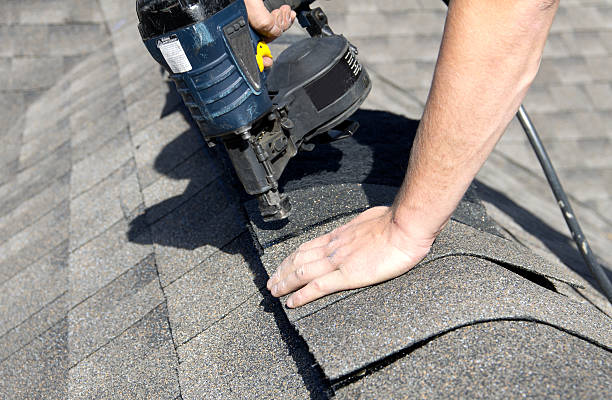
Your roof is one of the most vital components of your home, shielding it from weather, debris, and external elements. Over time, wear and tear can compromise its integrity. Recognizing the signs that your roof requires professional attention is crucial to preventing further damage and costly repairs. Below are six key indicators that it may be time to call a professional roofing company.
1. Missing or Damaged Shingles
Shingles act as the first line of defense for your roof. If you notice missing, curled, cracked, or otherwise damaged shingles, it’s a clear sign that your roof’s protective layer may be compromised. Issues with shingles can occur due to:
– Age: Older roofs naturally deteriorate over time. – Weather damage: High winds, hailstorms, or heavy rains often displace or damage shingles. – Poor installation: Improper shingle placement can lead to premature failure.
If left unaddressed, missing or damaged shingles can expose the underlying layers of your roof to moisture and structural deterioration.
2. Water Leaks and Ceiling Stains
Water stains on ceilings or walls are often the most obvious signs of a roofing issue. These stains may appear as dark spots or streaks and could indicate leaks in specific areas of your roof. Common causes include:
– Cracked flashing around chimneys or vents
– Poorly sealed skylights
– Compromised underlayment beneath the shingles
A roofing professional will assess the source of water intrusion and provide appropriate fixes before extensive interior damage occurs.
3. Sagging Roof Deck
A sagging roof deck typically signals structural issues that need immediate attention. Potential causes include water saturation from persistent leaks or excessive weight from snow and debris accumulation over time. Signs of a sagging deck include:
– Uneven ridges along the top of the roof – Noticeable dips when viewing the roofline from outside
Addressing this issue promptly helps maintain both safety and structural stability.
4. Granules in Gutters
Roofing granules play an important role in protecting asphalt shingles from UV rays while enhancing durability. Finding an excessive amount in gutters is often an indicator that your shingles are deteriorating due to age or weather exposure.
What does granule loss mean?
| Level of Granule Loss | Meaning | Recommended Action |
| Minimal | Normal wear for newer roofs | No immediate action required |
| Moderate | Aging shingles nearing replacement | Routine inspections needed |
| Heavy | Severe aging/damage | Consult a roofing professional immediately |
Granule loss should not be ignored as it leads directly to reduced protection against weather elements.
5. Increased Energy Bills
An aging or damaged roof may compromise insulation effectiveness in your home, causing heat loss during winter months or heat gain during summer months. As HVAC systems work harder to maintain indoor temperatures, energy bills will rise noticeably over time.
Signs suggesting poor energy efficiency related to your roof include drafts indoors near ceilings and fluctuating indoor temperatures despite running temperature-controlled systems.
6. Mold Growth & Mildew Odors Indoors
Prolonged exposure to moisture due either directly improperly ventilated attics rainwater leaking inward promotes mold/mildew spread resulting hazards healthwiseprompt evaluation professionals
Identifying Roof Issues with the Help of a Minneapolis MN Roofing Company
A roof serves as the first line of defense for any property, shielding your home from the elements. Over time, however, wear and tear can compromise its effectiveness. One of the most common and visible signs that your roof may need repairs or replacement is missing or damaged shingles. Here’s how to identify this problem and why addressing it promptly is crucial.
Signs You Need a Roofing Contractor Minneapolis MN for Missing or Damaged Shingles
- Bare patches: Noticeable gaps where shingles are missing completely.
- Cracked or curling shingles: Shingles that have lost their flexibility due to aging or prolonged exposure to extreme weather conditions.
- Discoloration: Faded, darkened, or inconsistent shingle colors could signify wear and potential damage.
- Broken corners and edges: Jagged edges or chipped portions indicate structural weakness in the shingles.
Common Causes of Shingle Damage and Roofing Services Minneapolis MN
| Cause | Description |
| Weather-related issues | High winds, hail, and heavy snow can tear off or break shingles over time. |
| UV exposure | Prolonged sunlight can cause shingle material to degrade and lose its protective properties. |
| Improper installation | Poor roofing practices may lead to loose or misaligned shingles that are prone to damage. |
| Aging materials | Older roofs naturally begin to deteriorate after years of service life. |
The Risks of Ignoring Missing or Damaged Shingles
- Water intrusion: Broken areas in your roof allow rainwater to soak through, potentially causing leaks inside the home.
- Structural damage: Prolonged water exposure can weaken wooden frames, drywall, and insulation.
- Increased energy bills: Gaps in your roofing material reduce insulation efficiency, making it harder for your home to maintain consistent temperatures.
- Mold growth: Moisture entering through damaged areas creates an ideal environment for mold development.
When Should You Call a Professional?
If you notice signs such as consistent cracking across multiple areas, widespread discoloration, or patches where shingles are entirely absent, it’s time to contact a professional roofing company. Attempting DIY repairs on extensive damage may only serve as a temporary fix and could void any existing warranties on the roof.
- Evaluating both external (shingle) and internal (attic) components for signs of deterioration.
- Addressing underlying issues like poor ventilation or structural sagging during repairs.
- Providing recommendations on whether repair work will suffice or if a full roof replacement is necessary.
Addressing missing or damaged shingles promptly ensures not only the longevity of your roof but also protects your investment in your home by maintaining its value over time. Regular inspections combined with professional guidance go a long way toward keeping things secure above your head when it matters most.
Identifying Water Leaks and Stains That Suggest Roofing Issues
Water leaks and stains are common indicators of roofing problems that homeowners should not ignore. Early detection and timely repair can prevent extensive damage to your home, saving both time and money. Below, we’ll delve into the signs to look for, where these issues commonly manifest, and why addressing them promptly is crucial.
How to Spot Water Leaks
- Dripping Water: The most noticeable sign of a leak is active dripping water inside your home during or after a rainstorm.
- Peeling Paint or Wallpaper: Excess moisture can cause paint or wallpaper indoors to bubble or peel.
- Warped Ceilings or Walls: Water intrusion can lead to warped drywall or structural materials.
- Damp Odors: Persistent musty smells indoors often indicate hidden water damage caused by roof leaks.
Recognizing Stains on Ceilings and Walls
- Along the edges where walls meet ceilings
- In the center of rooms underneath higher sections of the roof
- Near chimneys, vents, or skylights due to poor sealing around these features
If you notice such stains, it’s essential not just to repaint over them but also to identify their source.
Common Causes of Water Leaks and Stains
| Cause | Description |
| Missing Shingles | Gaps in shingles allow rainwater direct access into your roof structure. |
| Damaged Flashing | Cracked or rusted flashing around vents, chimneys, or skylights causes gaps for water. |
| Clogged Gutters | Blocked gutters cause water pooling on your roof’s surface that leads to leaks over time. |
| Aging Roof Materials | Over time, roofing materials deteriorate, leading to cracks and gaps that let moisture seep through. |
Understanding these causes helps emphasize the importance of regular inspections so you can address small problems before they escalate.
Risks of Ignoring Leaks and Stains
- Structural Damage: Prolonged exposure to moisture weakens wood framing and drywall.
- Mold Growth: Damp conditions promote dangerous mold growth that affects indoor air quality.
- Increased Costs: Minor repair needs may escalate into costly full-roof replacements if left unaddressed.
When Should You Call a Professional?
- Multiple areas with visible ceiling discoloration
- Signs of mold near suspected leak points
- Long-standing damp patches that persist even after dry weather
A licensed roofer has the tools and expertise necessary for thorough assessments beyond what is visible from inside your home.
By staying vigilant about water leaks and stains in conjunction with routine roof maintenance checks by professionals every few years (or annually for older roofs), homeowners can help protect their investment while ensuring their family’s safety indoors year-round.

Understanding the Importance of Addressing a Sagging Roof Deck Promptly
A sagging roof deck is more than just an unsightly structural issue; it is a clear indicator of deeper problems within your roofing system. If left unaddressed, this issue can lead to severe structural damage, safety hazards, and costly repairs. Knowing how to identify and address a sagging roof deck promptly can save you significant time and money while ensuring the safety of your home.
What Causes a Sagging Roof Deck?
There are several reasons why your roof deck may begin to sag. Below are the most common causes:
– Excessive Weight Load: Accumulated snow, water pooling due to poor drainage, or heavy roofing materials can put undue stress on the structure.
– Water Damage: Leaks in your roof’s membrane or flashing can allow water to seep in, causing the decking material to weaken over time.
– Aging Materials: As roofing materials age, they lose their structural integrity, making them more prone to sagging.
– Improper Installation: Poor craftsmanship during installation or substandard materials used for support structures can result in early sagging.
Understanding these causes ensures you are aware of potential vulnerabilities that may require immediate attention.
How to Identify a Sagging Roof Deck
Spotting the signs of a sagging roof deck early is critical for preventing further damage. Here are some things homeowners should look for:
1. Visible Dips or Curves: Stand at a distance from your home and check if the roofline appears uneven or wavy instead of straight.
2. Interior Ceiling Issues: Bowed ceilings or cracks along interior walls may indicate structural stress caused by a damaged roof deck.
3. Roof Surface Changes: Areas where shingles appear lifted or loose could suggest underlying sag issues beneath them.
If you notice one or more of these indicators, it’s important to act quickly by consulting with a professional roofing company.
Why Prompt Action Matters
| Issue | Potential Consequence |
| Compromised Structural Integrity | The entire framework could weaken over time |
| Increased Repair Costs | Minor issues develop into major problems |
| Water Infiltration | A weakened structure makes leaks more likely |
| Safety Hazards | Sagging roofs pose risks of collapse during storms |
Timely action not only safeguards your home but also minimizes long-term expenses.
Steps Professionals Take to Repair a Sagging Roof Deck
- Conducting an inspection to evaluate the extent of damage.
- Replacing damaged decking material.
- Reinforcing weak areas with additional support beams as necessary.
- Installing new underlayment and shingles after correcting structural deficiencies.
These detailed processes ensure that repair work enhances both the strength and longevity of your roofing system.
Being proactive about addressing any sign of a sagging roof deck protects both your property’s value and its occupants’ well-being—making professional intervention essential when such issues arise.
Recognizing Missing or Damaged Shingles as Indicators Your Roof Needs Attention
Shingles play a vital role in protecting your home from the elements. When they are missing or damaged, your roof’s ability to shield your property is compromised. Below, we will outline how to identify shingle issues and why addressing them promptly is essential.
Common Signs of Missing or Damaged Shingles
- Visible Gaps on Your Roof: Missing shingles leave exposed areas on the roof deck, increasing vulnerability to water damage and leaks.
- Curling or Cracking Shingles: Shingles that curl upward or appear cracked are no longer effective at repelling water.
- Shingle Granules in Gutters: As shingles age, they shed protective granules. Excessive granule buildup in gutters signals potential deterioration.
Causes of Shingle Damage
- High winds can loosen or rip away shingles.
- Hailstorms can dent and crack shingle surfaces.
- Sun Exposure: Prolonged exposure to UV rays accelerates aging and brittleness.
- Tree Debris: Falling branches or overhanging limbs can physically damage shingles.
Risks of Ignoring the Problem
- Water Leaks: Damaged areas provide an entry point for moisture, which can seep into your home’s interior.
- Structural Damage: Persistent water infiltration can weaken roofing materials over time.
- Increased Energy Bills: Compromised shingles reduce insulation efficiency, leading to higher heating and cooling costs.
When to Contact a Roofing Professional
| Condition Observed | Recommended Action |
| A few missing shingles | Schedule a professional inspection immediately. |
| Widespread curling/cracking | Consider discussing repair versus replacement options with an expert. |
| Frequent granule loss | Seek advice on whether your roof has reached the end of its lifespan. |
Preventative Tips
- Schedule regular roof inspections every 1–2 years.
- Trim nearby trees to prevent branches from damaging the roof during storms.
- Clean gutters regularly to avoid clogged drains which may exacerbate water damage.
Paying attention to these warning signs ensures that minor problems are addressed before they escalate into costly repairs or replacements. By staying vigilant about the condition of your shingles and contacting professionals when needed, you maintain both the safety and longevity of your home’s roofing system.
- Minneapolis MN Roofer: Who to Call First for Roof Damage – Your Contractor or Insurance?
- Warning Signs You Should Call a Roofing Contractor Minneapolis MN Immediately
- When to Call a Roofing Contractor Minneapolis MN for Repairs or Replacement and What to Expect
- Comprehensive Storm Damage Roof Inspection by a Minneapolis MN Roofer
- Steps to Take for a Leaky Roof from a Trusted Roofing Contractor Minneapolis MN
- 6 Signs It’s Time to Call a Minneapolis MN Roofer for Repairs or Replacement
- Choosing a Roofing Contractor Minneapolis MN vs. DIY Roof Repair
- Essential Information About Roofing Services Minneapolis MN and Their Importance
- When is it Time to Call a Minneapolis MN Roofer for Your Home?